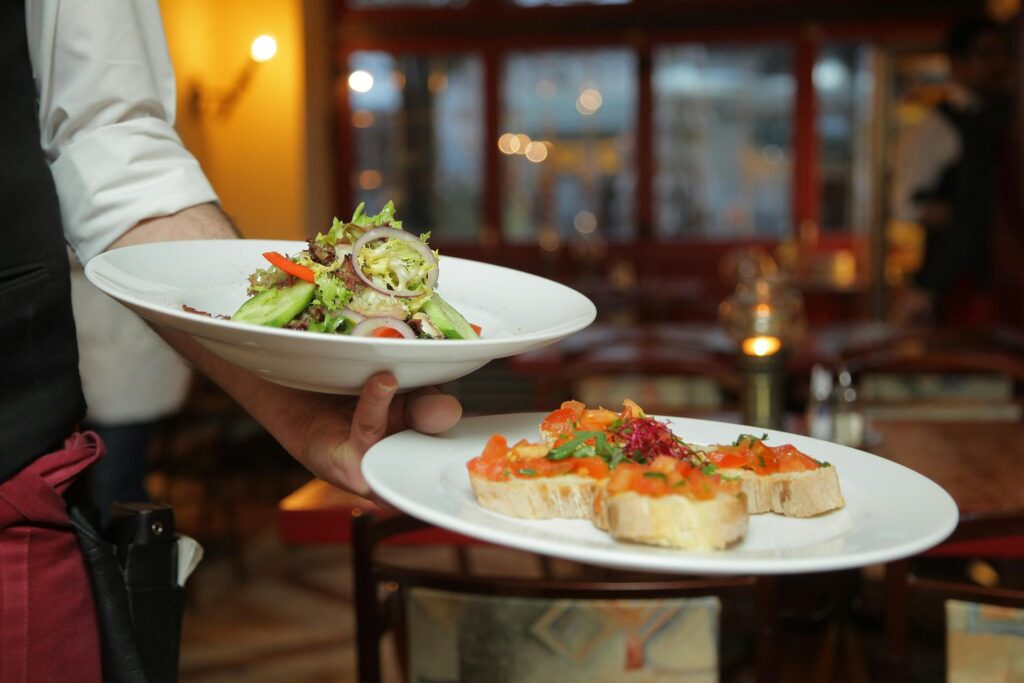
In this digital age, having an online presence is key for any business and restaurants are no exception. Whether you run a fancy restaurant or a small café, digital marketing can make or break your restaurant.
With customers going online to find new places to eat, book tables and even order food online, restaurant owners need to know how to use digital marketing to attract and retain customers.
Know nothing about restaurant marketing? Engage professionals like Aperture Comms to help kickstart your restaurant’s digital marketing.
1. Why Digital Marketing Matters for Restaurants
In the restaurant industry, it’s tough. You’re not just competing with other restaurants but also with food delivery apps and home cooking trends. Digital marketing gives you the edge to stand out by allowing you to reach more people, engage with customers and build your brand.
- Customer Discovery: Potential customers search for restaurant recommendations online through search engines, social media or review platforms like Yelp and TripAdvisor.
- Convenience: With the rise of online ordering and delivery services, customers expect restaurants to have an online presence that’s easy to find and navigate.
- Building Relationships: Digital platforms allow restaurants to talk to customers directly, whether through social media, email newsletters or customer service chatbots.
By investing in a full digital marketing strategy you can increase your restaurant’s visibility, drive traffic and build a loyal customer base.
2. What’s in a Restaurant Digital Marketing Strategy
A restaurant digital marketing strategy should focus on several key areas to be effective.
2.1. Social Media Marketing
Social media platforms like Instagram, Facebook and TikTok are perfect for showcasing your restaurant’s food, ambiance and special events.
- Visual Content: High quality images and videos of your dishes are a must. Instagram is great for food photography while TikTok is good for behind the scenes content and food prep videos.
- Engagement: Engage with your audience by responding to comments, participating in conversations and running interactive polls or contests.
- Targeted Ads: Platforms like Facebook and Instagram offer highly targeted advertising options that allow you to reach customers based on location, interests and behaviours.
2.2. Search Engine Optimisation (SEO)
SEO ensures your restaurant shows up in search engine results when customers are looking for places to eat.
- Local SEO: Focus on local SEO by optimising your restaurant’s Google My Business profile. Include accurate information such as your address, phone number, hours of operation and menu. Encourage customers to leave reviews as these can impact your ranking in local search results.
- On-page SEO: Optimise your website with keywords, meta descriptions and content that matches what customers are searching for, such as “best Italian restaurant in [city name]” or “vegan restaurants near me”.
2.3. Online Ordering and Delivery Integration
With the rise of online ordering and food delivery, having a smooth online ordering system is key.
- Third-party Apps: Consider partnering with delivery platforms like UberEats, GrubHub or Deliveroo to expand your reach. Make sure your restaurant is well represented on these apps with updated menus, high quality images and positive customer reviews.
- In-house Ordering System: Alternatively you can set up an in-house online ordering system on your website. This gives you more control over the customer experience and you don’t have to pay third-party commission fees.
2.4. Email Marketing
Email marketing is one of the most effective ways to retain customers and keep them engaged with your restaurant.
- Loyalty Programs: Offer exclusive deals and discounts to your email subscribers to encourage repeat visits.
- Personalisation: Use customer data to send personalised emails based on past orders, birthdays or seasonal promotions.
- Content: Share updates about your restaurant, new menu items, upcoming events or partnerships to keep your audience informed and excited.
2.5. Online Reviews and Reputation Management
Online reviews are one of the biggest factors that impact a customer’s decision to dine at your restaurant.
- Encourage Reviews: Encourage happy customers to leave reviews on Google, Yelp and TripAdvisor. Positive reviews will boost your credibility and attract new customers.
- Respond to Feedback: Respond to both positive and negative reviews. A response to criticism shows potential customers you care about their experience and are willing to make changes.
2.6. Influencer Marketing
Partner with food bloggers, Instagram influencers and local food enthusiasts to amplify your restaurant’s online presence.
- Partners: Partner with influencers who are aligned with your brand values and have a genuine interest in your food. They can create content that reaches a wider audience.
- Events: Host influencer events at your restaurant to create buzz. Invite local influencers to try your menu and share their experience with their followers.
3. Best Practices for Restaurant Digital Marketing
To get the most out of your restaurant’s digital marketing:
3.1. Brand Consistency
Make sure your branding is consistent across all digital platforms, from your website and social media profiles to email newsletters and online ordering systems. Consistency builds brand recognition and trust with your audience.
- Visual Identity: Use the same logo, colour scheme and typography across all platforms.
- Tone of Voice: Whether it’s playful, formal or casual, your brand tone of voice should be consistent in all written communication.
3.2. Mobile Optimisation
Most users access the internet via mobile devices so having a mobile optimised website is key.
- Responsive Design: Make sure your website is responsive and works on all devices, including smartphones and tablets.
- Mobile Menu: Your online menu should be easy to navigate on a mobile device, with clear categories, readable fonts and optimised images.
3.3. Content Regularity
Keep your digital presence fresh by updating your content regularly. This includes adding new menu items, sharing seasonal promotions and posting new content on social media.
- Blogging: If you have a blog on your website, share articles about your restaurant’s story, recipes or culinary tips to keep customers engaged and improve SEO.
- Social Media Schedule: Post regularly on social media to stay top of mind with your audience. Create a content calendar to plan in advance.
3.4. Data and Analytics
Use data and analytics to measure your digital marketing. This will help you see what’s working and where you can improve.
- Google Analytics: Use Google Analytics to track website traffic, user behaviour and conversions. This will give you insights into which pages are most popular and where visitors are dropping off.
- Social Media Analytics: Use built-in analytics tools to track your social media performance and see which posts are resonating with your audience.
- Email Metrics: Monitor open rates, click-through rates and conversions to measure the effectiveness of your email campaigns.
3.5. Be Flexible
The digital landscape is always changing so be flexible and open to new trends and technologies.
- Emerging Platforms: Keep an eye on emerging social media platforms or features, such as Instagram Reels or YouTube Shorts, and test them out to see if they work for your brand.
- Customer Trends: Stay on top of customer trends, such as the rise of contactless dining or plant-based menus, and adjust your digital marketing accordingly.
4. Case Study: Restaurant Digital Marketing Success
Let’s look at a case study of a local restaurant that achieved amazing growth through digital marketing.
Case Study: “Urban Bites” – A Modern Brunch Café
Urban Bites, a modern brunch café in a busy city centre, was facing intense competition from other dining options. But by focusing on digital marketing they were able to build a loyal customer base.
- Social Media Success: Urban Bites invested in high quality food photography and posted regularly on Instagram. They also partnered with local food influencers who shared their experience on social media, generating buzz around the café.
- SEO Optimisation: The café optimised their website for local search so they appeared in search results when people searched for brunch options in the area. By encouraging happy customers to leave Google reviews they improved their online reputation.
- Email Marketing and Loyalty Programs: Urban Bites launched an email newsletter with discounts and promotions for subscribers. They also implemented a loyalty program that rewarded customers with free items after a certain number of visits.
- Online Ordering: To meet the growing demand for takeaway and delivery Urban Bites partnered with local delivery apps and set up an online ordering system on their website. This allowed them to reach customers who wanted to dine at home.
Results: Within 12 months Urban Bites saw 30% more foot traffic and 20% more online orders.
5. Summary
Restaurant digital marketing is a must have for any modern restaurant. From social media marketing and SEO to email campaigns and online ordering systems there are so many tools and strategies to increase visibility, attract customers and grow. By focusing on consistent branding, mobile optimisation, content updates and data driven decisions you can build a strong digital presence for your restaurant to succeed in a competitive market.
Be flexible.<|start_header_id|><|start_header_id|><|start_header_id|>assistant<|end_header_id|>
adium. Be flexible. Be open to new trends and technologies.